

Natural Joint and Muscle Support for Dogs
Natural Joint and Muscle Support: A Comprehensive Guide
Email:info@petnaturalsupplies.com
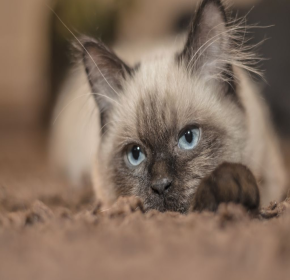
Osteoarthritis (OA) affects millions of cats worldwide, causing joint pain, stiffness, and reduced mobility that significantly impacts their quality of life.
Unlike dogs, cats are masters at hiding pain, making this degenerative joint disease often underdiagnosed and undertreated.
Natural treatments for feline osteoarthritis focus on reducing inflammation, supporting joint health, and managing pain through plant-based compounds, nutritional supplements, and dietary modifications.
The most promising natural approaches include omega-3 fatty acids from marine sources, turmeric (curcumin), boswellia extract, and specialized therapeutic diets.
These interventions may help slow cartilage degradation, reduce inflammatory markers, and improve mobility when used as part of a comprehensive management plan under veterinary supervision.
Feline joints are complex structures where cartilage acts as a cushion between bones, allowing smooth, pain-free movement.
In osteoarthritis, this protective cartilage gradually breaks down due to mechanical stress, age-related changes, genetic factors, or previous injuries.
Unlike acute inflammation, osteoarthritis involves chronic, low-grade inflammation that perpetuates cartilage destruction and bone remodeling.
Cats possess unique physiological characteristics that influence how osteoarthritis develops and responds to treatment.
Their smaller body size, different weight distribution, and distinct inflammatory response patterns mean that treatment approaches successful in dogs or humans may not translate directly to felines.
Understanding these species-specific differences is crucial for selecting appropriate natural interventions.
The inflammatory cascade in feline osteoarthritis involves multiple biochemical pathways, including cyclooxygenase (COX) enzymes, lipoxygenase pathways, and nuclear factor-kappa B (NF-κB) signaling.
Natural compounds target these pathways through different mechanisms:
• Omega-3 fatty acids compete with arachidonic acid for enzyme binding sites, shifting the inflammatory balance toward anti-inflammatory mediators like resolvins and protectins.
• Curcumin inhibits NF-κB activation and reduces production of inflammatory cytokines including tumor necrosis factor-alpha (TNF-α) and interleukin-1 beta (IL-1β).
• Boswellic acids selectively inhibit 5-lipoxygenase, reducing leukotriene synthesis and inflammatory cascade activation.
Recent systematic reviews and meta-analyses provide strong evidence supporting omega-3 supplementation for managing canine and feline osteoarthritis.
A landmark randomized, double-blinded, placebo-controlled crossover study demonstrated significant clinical benefits of omega-3 fatty acid supplementation in cats with naturally occurring osteoarthritis.
The study administered 1.53 grams of eicosapentaenoic acid (EPA) and 0.31 grams of docosahexaenoic acid (DHA) per 1000 kcal of metabolizable energy over a 10-week period.
Results showed measurable improvements in owner-assessed behavioral and locomotion scores, indicating reduced pain and increased mobility.
Study Methodology Strengths: The crossover design allowed each cat to serve as its own control, reducing individual variation.
The use of validated pain assessment tools and owner questionnaires provided objective and subjective outcome measures.
Study Limitations: Sample size was relatively small (fewer than 50 cats), and the study duration was limited to 10 weeks.
Long-term safety and efficacy data remain limited for feline populations.
A groundbreaking 2024 prospective, randomized, blinded, placebo-controlled study evaluated a therapeutic diet containing EPA and DHA (0.69:1 ratio), turmeric extract, and hydrolyzed collagen in 30 cats with naturally occurring osteoarthritis over 13 weeks.
This represents the most comprehensive clinical trial of combined natural interventions in felines to date.
Key Findings
• Significant improvement in peak vertical force (p = 0.017), indicating enhanced weight-bearing capacity
• 64% of cats showed positive response at week 16
• Improved stair assay compliance, demonstrating better mobility and willingness to engage in physical activity
• Benefits persisted through a 4-week washout period, suggesting lasting therapeutic effects
Clinical Significance: This study provides Level 1 evidence (randomized controlled trial) for the efficacy of combined natural interventions.
The use of objective gait analysis and functional assessments strengthens the validity of findings beyond subjective owner reports.
Curcumin, the primary bioactive compound in turmeric (Curcuma longa), demonstrates multiple mechanisms relevant to osteoarthritis management.
It inhibits nuclear factor-kappa B (NF-κB), a key transcription factor regulating inflammatory gene expression. Additionally, curcumin modulates matrix metalloproteinases (MMPs), enzymes responsible for cartilage breakdown in osteoarthritis.
Bioavailability Challenges: Curcumin exhibits poor oral bioavailability due to rapid hepatic metabolism and elimination.
Specialized formulations using phospholipid complexes, nanoparticles, or piperine co-administration may enhance absorption, though feline-specific bioavailability data remains limited.
While the 2024 therapeutic diet study included turmeric extract as part of a multi-modal intervention, specific research on curcumin monotherapy in cats with osteoarthritis remains limited, with most studies conducted in canine populations.
Canine Studies Relevance: Clinical trials in dogs demonstrate significant efficacy of curcumin combined with boswellic acids for managing osteoarthritis pain and inflammation.
However, interspecies differences in drug metabolism and inflammatory responses necessitate feline-specific research.
Research Priorities: Future studies should investigate optimal curcumin dosing for cats, bioavailability enhancement strategies, and safety profiles for long-term use.
Boswellia serrata extract contains boswellic acids that help reduce inflammation and relieve arthritis pain by blocking specific enzymes that cause inflammation.
The primary mechanism involves selective inhibition of 5-lipoxygenase (5-LOX), reducing leukotriene synthesis and subsequent inflammatory cascade activation.
Unlike non-steroidal anti-inflammatory drugs (NSAIDs) that inhibit cyclooxygenase enzymes, boswellic acids target the lipoxygenase pathway, potentially offering anti-inflammatory benefits with different side effect profiles.
This mechanism may be particularly relevant for cats, who have limited tolerance for many conventional anti-inflammatory medications.
Clinical studies in dogs show promising results for boswellia supplementation, with improvements observed within two weeks of treatment at doses of 400 mg per 10 kg body weight.
Human clinical trials and systematic reviews demonstrate significant improvements in physical function and pain reduction with boswellia extract supplementation.
Feline Application Challenges: Direct clinical trials of boswellia in cats with osteoarthritis are lacking.
Dosing recommendations are typically extrapolated from canine studies, accounting for differences in body weight and metabolism.
Safety data specific to felines remains limited, necessitating careful veterinary supervision.
Despite the popularity of glucosamine/chondroitin supplements, research to support definitive benefits is lacking.
These compounds theoretically support healthy joints by enhancing cartilage between joints and may help halt cartilage degeneration while supporting body rebuild processes.
Biochemical Rationale: Glucosamine serves as a building block for cartilage matrix components, while chondroitin sulfate may inhibit cartilage-degrading enzymes.
However, questions remain about oral bioavailability and whether sufficient concentrations reach joint tissues after oral administration.
The disconnect between theoretical benefits and clinical evidence reflects challenges in supplement research, including variable product quality, lack of standardization, and difficulties in conducting long-term controlled trials.
Veterinary experts acknowledge that while these supplements remain popular, definitive research support is lacking.
Product Quality Considerations: The supplement industry lacks stringent regulatory oversight, leading to significant variations in active ingredient concentrations, bioavailability, and purity between products.
Third-party testing and veterinary-grade formulations may provide better consistency and safety profiles.
Safety and Dosage: Evidence-Based Guidelines for Natural Interventions
Based on clinical research, effective omega-3 dosing for feline osteoarthritis management ranges from 1.5-2.0 grams of EPA per 1000 kcal of metabolizable energy, with DHA comprising approximately 20-30% of total omega-3 content.
The optimal EPA:DHA ratio appears to be approximately 0.69:1 based on the most recent clinical trial.
Practical Dosing Considerations
• Average 4.5 kg cat consuming 250 kcal daily: approximately 375-500 mg EPA + 100-150 mg DHA
• Therapeutic doses significantly exceed amounts in typical fish-based cat foods
• Marine sources (fish oil, krill oil) provide better EPA:DHA ratios than plant-based sources
Omega-3 fatty acids demonstrate excellent safety profiles in cats when used appropriately.
Potential concerns include:
Oxidative Stability: Fish oils are prone to rancidity, producing harmful aldehydes and free radicals. Products should contain antioxidants (vitamin E, rosemary extract) and be stored properly.
Bleeding Risk: High omega-3 doses may affect platelet function and clotting times. Cats scheduled for surgery should discontinue supplementation 1-2 weeks prior.
Gastrointestinal Effects: Some cats may experience mild digestive upset, particularly when starting supplementation. Gradual dose introduction and administration with food minimizes these effects.
Curcumin’s poor bioavailability complicates dosing recommendations.
Effective doses in human studies range from 500-1000 mg daily, but feline-specific dosing remains largely empirical.
Enhanced bioavailability formulations may allow lower doses while maintaining therapeutic effects.
Species-Specific Considerations
• Cats metabolize many compounds differently than dogs or humans
• Liver function differences may affect curcumin processing
• Individual variation in absorption and metabolism requires careful monitoring
Turmeric demonstrates generally good safety profiles in cats when used appropriately.
However, several considerations apply:
• Drug Interactions: Curcumin may enhance anticoagulant effects and interact with certain medications metabolized by liver enzymes. Concurrent use with NSAIDs requires veterinary supervision.
• Gallbladder Concerns: Turmeric may stimulate bile production, potentially problematic for cats with gallbladder disease or bile duct obstructions.
• Quality Control: Many turmeric supplements contain fillers, artificial colors, or other additives potentially harmful to cats. Standardized extracts with verified curcumin concentrations offer better predictability.
Clinical canine studies suggest effective dosing at 400 mg per 10 kg body weight once daily.
For cats, this translates to approximately 180-200 mg daily for an average 4.5 kg cat, though feline-specific dose-response studies are lacking.
Standardization Issues: Boswellia products vary significantly in boswellic acid concentrations (typically 30-65% total boswellic acids). AKBA (3-acetyl-11-keto-β-boswellic acid) content appears most clinically relevant, requiring product standardization.
Limited safety data exists for long-term boswellia use in cats.
Theoretical concerns include:
• Hepatic Metabolism: Like many herbal compounds, boswellic acids undergo liver processing. Cats with compromised liver function may require dose adjustments or alternative therapies.
• Gastrointestinal Tolerance: Some cats may experience mild digestive effects, particularly with higher doses or certain extraction methods.
• Product Quality: Wild-harvested boswellia quality varies significantly. Sustainable, standardized extracts provide better consistency and reduce contamination risks.
• Practical Use for Pet Owners: Implementing Natural Osteoarthritis Management
Successful natural osteoarthritis management in cats requires combining multiple interventions rather than relying on single supplements.
The most effective approach includes:
Foundation Elements
• Therapeutic Diet: High-quality, anti-inflammatory diet with appropriate omega-3 levels
• Weight Management: Maintaining optimal body condition to reduce joint stress
• Environmental Modifications: Providing easy access to resources, comfortable bedding, and appropriate litter box accessibility
Targeted Supplementation
• Marine-source omega-3 fatty acids as the primary intervention
• Curcumin or turmeric extract for additional anti-inflammatory support
• Boswellia extract for complementary anti-inflammatory pathways
• Consider other supportive compounds based on individual cat needs
For pet owners seeking convenience, comprehensive joint support formulations that combine these evidence-based ingredients in veterinary-appropriate doses can simplify the multi-modal approach.
Quality products that integrate boswellia, turmeric, and additional joint-supporting compounds can provide the synergistic benefits of multiple ingredients while ensuring proper feline-specific dosing.
Formulas that combine these key ingredients such as a comprehensive joint care supplement for cats, offer a multi-faceted approach to supporting cartilage health and joint lubrication.
Realistic Expectations
• Gradual improvement rather than immediate relief
• Individual response variation is significant
• Benefits may include increased activity, improved mobility, and better quality of life rather than complete pain elimination
• Some cats may require combination with conventional pain management
The supplement industry’s limited regulation necessitates careful product selection. Key quality indicators include:
• Third-Party Testing: Products tested by independent laboratories for purity, potency, and contaminants provide better reliability.
• Veterinary Formulations: Products specifically formulated for cats often provide appropriate dosing, palatability, and safety considerations.
• Extraction Methods: CO2 extraction, standardized extracts, and pharmaceutical-grade processing typically yield higher-quality products.
• Packaging and Storage: Light-protected, airtight packaging with appropriate expiration dates indicates manufacturer attention to product stability.
Natural treatments work best as part of comprehensive osteoarthritis management rather than standalone therapies. Regular veterinary monitoring ensures:
• Safety Monitoring: Blood work to assess liver and kidney function, particularly important for cats with multiple health conditions or concurrent medications.
• Progress Assessment: Objective evaluation of mobility, pain levels, and quality of life using validated assessment tools.
• Treatment Adjustments: Modifications based on response, side effects, or changing health status.
• Emergency Planning: Recognition of when additional interventions or conventional pain management becomes necessary.
Environmental modifications can significantly impact comfort and mobility for cats with osteoarthritis
Accessibility Improvements
• Low-sided litter boxes for easy entry
• Multiple feeding and water stations on different levels
• Ramps or steps to favorite elevated locations
• Non-slip surfaces on smooth floors
Comfort Enhancements
• Orthopedic bedding with adequate joint support
• Heated beds for additional comfort
• Gentle massage and passive range-of-motion exercises
• Stress reduction through environmental enrichment
Appropriate activity levels help maintain joint mobility without causing additional damage
Beneficial Activities
• Short, frequent play sessions rather than intense exercise
• Encouraging natural behaviors like gentle stretching and climbing
• Interactive toys that promote movement without jumping
• Swimming or hydrotherapy where available and appropriate
Activities to Avoid
• High-impact jumping or leaping
• Excessive running or chasing
• Activities that cause obvious discomfort or reluctance
Q: How long do natural treatments take to work for cat arthritis? A: Natural treatments typically require 4-8 weeks to show initial benefits, with maximum effects often occurring at 12-16 weeks. Clinical studies demonstrate improvements beginning around week 4, with peak benefits by week 13.
Q: What is the most effective natural treatment for cat osteoarthritis? A: Omega-3 fatty acid supplementation has the strongest research evidence for managing feline osteoarthritis, particularly marine-source EPA and DHA at therapeutic doses of 1.5-2.0 grams EPA per 1000 kcal of food.
Q: Are glucosamine and chondroitin effective for cats with arthritis? A: Despite their popularity, research to support definitive benefits of glucosamine and chondroitin supplements is lacking. More evidence supports omega-3 fatty acids and anti-inflammatory compounds like turmeric and boswellia.
Q: Can I give my cat human turmeric supplements? A: Human supplements are not recommended for cats due to dosing differences, potential additives, and species-specific absorption issues. Veterinary-formulated products provide better safety and efficacy profiles.
Q: How do I know if natural treatments are working for my cat? A: Look for gradual improvements in mobility, increased activity levels, easier movement when getting up, improved appetite, and better overall demeanor. Veterinary assessment using validated pain scales provides objective measurement.
Q: Are natural arthritis treatments safe to combine with prescription medications? A: Some combinations are safe, but veterinary supervision is essential. Natural anti-inflammatory compounds may interact with NSAIDs or other medications, requiring professional guidance for safe concurrent use.
• Barbeau-Grégoire, M., Otis, C., Cournoyer, A., Moreau-Faubert, A., Martel-Pelletier, J., Pelletier, J. P., … & Troncy, E. (2022). A 2022 systematic review and meta-analysis of enriched therapeutic diets and nutraceuticals in canine and feline osteoarthritis. International Journal of Molecular Sciences, 23(18), 10384. https://doi.org/10.3390/ijms231810384
• Corbee, R. J., Barnier, M. M., van de Lest, C. H., & Hazewinkel, H. A. (2013). The effect of dietary long-chain omega-3 fatty acid supplementation on owner’s perception of behaviour and locomotion in cats with naturally occurring osteoarthritis. Journal of Animal Physiology and Animal Nutrition, 97(5), 846-853.
• Colitti, M., Gaspardo, B., Della Pria, A., Scaini, C., & Stefanon, B. (2012). Transcriptome modification of white blood cells after dietary administration of curcumin and non-steroidal anti-inflammatory drug in osteoarthritic affected dogs. Veterinary Immunology and Immunopathology, 147(3-4), 136-146.
• Reichling, J., Schmokel, H., Fitzi, J., Bucher, S., & Saller, R. (2004). Dietary support with Boswellia resin in canine inflammatory joint and spinal disease. Schweizer Archiv für Tierheilkunde, 146(2), 71-79.
• Seibert, R., Marcellin-Little, D. J., Rishniw, M., Sprinkle, S., & Fox, S. M. (2024). Efficacy and safety of a diet enriched with EPA and DHA, turmeric extract and hydrolysed collagen in management of naturally occurring osteoarthritis in cats: A prospective, randomised, blinded, placebo- and time-controlled study. Animals, 14(22), 3298. https://doi.org/10.3390/ani14223298
• VCA Animal Hospitals. (2024). Nutraceuticals for joint support in cats with osteoarthritis. Retrieved from https://vcahospitals.com/know-your-pet/nutraceuticals-for-joint-support-in-cats-with-osteoarthritis
This educational content is provided for informational purposes only and is not intended to replace professional veterinary advice, diagnosis, or treatment.
The information presented represents current research and evidence-based approaches to feline osteoarthritis management using natural interventions.
This content should not be used for making treatment decisions for cats with osteoarthritis or any other health condition.
Always consult with a qualified veterinarian before starting any new treatment regimen, including natural supplements or dietary modifications.
Professional veterinary care is essential for proper diagnosis, monitoring, and comprehensive management of feline osteoarthritis.
Cats may respond differently to natural treatments, and some may experience adverse effects or drug interactions.
Regular veterinary monitoring ensures safe and effective treatment implementation.
Emergency Care: If your cat shows signs of severe pain, inability to move, loss of appetite, or other concerning symptoms, seek immediate veterinary attention rather than relying solely on natural treatments.
By using this information, you acknowledge that professional veterinary guidance is necessary for optimal feline health outcomes and that natural treatments should complement, not replace, appropriate veterinary care.
Natural Joint and Muscle Support: A Comprehensive Guide
Muscle Atrophy in Dogs and Cats: A Comprehensive Guide

Complete Guide for Dogs and Cats

Understanding UTIs in Your Pet

PetNaturalSupplies is a source-cited information resource for rabbit, guinea pig, and chinchilla owners.
Every answer names the published reference behind it — no guessing, no AI-generated facts.
“Your pet’s health, naturally.” © 2026 PetNaturalSupplies. All Rights Reserved.