
Natural Joint and Muscle Support for Dogs
Natural Joint and Muscle Support: A Comprehensive Guide

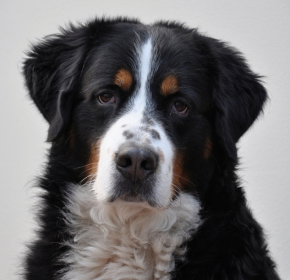
Osteoarthritis, also known as degenerative joint disease, is a progressive condition affecting the synovial joints in dogs, characterized by the loss and dysfunction of articular cartilage.
When the protective cartilage cushioning the joints breaks down, bones begin to rub against each other, causing pain, inflammation, decreased joint mobility, and often the formation of bone spurs or other structural changes in and around the joint.
Osteoarthritis prevalence in North America is reported at 20% of all dogs over 1 year of age, making it one of the most significant welfare concerns in companion animal medicine. Unlike feline arthritis, canine osteoarthritis tends to be more readily diagnosed due to dogs’ larger size and more obvious clinical manifestations of pain and mobility issues.
The economic burden is substantial, with $1.32bn spent on cruciate ligament ailments alone in dogs in the US in 2003.
Beyond financial costs, the emotional impact on pet owners dealing with a chronically painful companion creates what veterinary behaviorists term “caregiver burden.”
Osteoarthritis continues to worsen over time; however, with proper understanding and management, the progression can be significantly slowed, helping joints function optimally for as long as possible while maintaining quality of life.
Secondary osteoarthritis, where underlying disease processes or injuries play a role in the development of osteoarthritis, is believed to be the most common form in dogs. Primary osteoarthritis, while less common, occurs mainly in older dogs due to age-related joint wear.
• Genetic Predisposition: Genetics is seemingly the most influential risk factor, with 21 out of 62 studies in systematic reviews discussing genetics having a significant relationship with specific joint diseases. Many identified genes relate to growth and development pathways.
• Age: While aging increases osteoarthritis risk, there is conflict in some papers’ findings for dysplasia where increased risk was found in both younger and older dogs, suggesting complex interactions between age and other factors.
• Body Weight and Obesity: Higher body weight was found associated with an increased risk of disease in all papers that it was reported. Overweight dogs were significantly more likely to develop cruciate ligament disorders, with obesity almost quadrupling the risk (odds ratio 3.8).
• Developmental Conditions: These include hip dysplasia, elbow dysplasia, cruciate ligament disease, and osteochondritis dissecans, which predispose dogs to secondary osteoarthritis.
• Joint Trauma: Accidents resulting in broken bones, torn ligaments, joint dislocations, or ligament breakdown can lead to post-traumatic arthritis.
• Infections: Bacterial joint infections can cause inflammatory arthritis that progresses to osteoarthritis.
• Overloading: Excessive exercise, particularly in young developing dogs, or repetitive stress can accelerate joint deterioration.
Unlike cats, dogs typically show more obvious signs of joint disease, making diagnosis more straightforward. However, early-stage arthritis can be subtle, and many dogs adapt their behavior to compensate for discomfort.
• Lameness or limping, particularly after rest or exercise
• Stiffness, especially noticeable when rising after lying down
• Reluctance to exercise or decreased activity levels
• Difficulty navigating stairs or jumping into cars/onto furniture
• Changes in gait or posture
• Behavioral changes including irritability, anxiety, or depression
• Muscle atrophy in affected limbs
• Joint swelling or heat in affected areas
• Vocalization when moving or being handled
Veterinary diagnosis typically involves physical examination, gait analysis, joint manipulation, and radiographic imaging. Advanced imaging such as CT or MRI may be used in complex cases. Synovial fluid analysis can help differentiate between different types of arthritis.
The joints most commonly affected by osteoarthritis in dogs include:
• Hips – particularly in large breed dogs prone to hip dysplasia
• Elbows – common in breeds predisposed to elbow dysplasia
• Stifles (knees) – especially following cruciate ligament injury
• Shoulders – particularly the glenohumeral joint
• Carpal joints (wrists)
• Tarsal joints (ankles/hocks)
• Spine – particularly lumbar and cervical vertebrae
• Digital joints in the paws
Typically breeds that are more susceptible to developmental orthopedic diseases are golden retrievers, Labradors, Rottweilers, German shepherds—usually kind of more larger breed dogs are going to be more susceptible to hip and elbow dysplasia.
Specific breed predispositions include:
• German Shepherds
• Labrador Retrievers
• Golden Retrievers
• Rottweilers
• Mastiffs
• Saint Bernards
• Bernese Mountain dogs
• Rottweiler, Golden Retriever, and Labrador Retriever were found to have increased risk of cruciate ligament rupture with smaller breeds generally having decreased risk.
• Higher elbow dysplasia prevalence was apparent in larger breeds such as German Shepherds, Golden and Labrador Retrievers.
• Smaller breeds such as Pomeranians, Chihuahua, Yorkshire terrier, and French Bulldog had higher odds of developing patellar luxation compared to crossbreeds, which can progress to patellofemoral osteoarthritis.
• Of 455,557 study dogs, 16,437 candidate osteoarthritis cases were identified; 6104 (37%) were manually checked and 4196 (69% of sample) were confirmed as cases.
Mixed breed dogs often show lower osteoarthritis prevalence than purebreds, suggesting genetic factors play a significant role.
Prevention should begin in puppyhood and continue throughout a dog’s life.
• Genetic screening of breeding stock for hip/elbow dysplasia
• Appropriate nutrition during growth phases to prevent developmental orthopedic disease.
• Controlled exercise in puppies – avoiding excessive jumping or high-impact activities until skeletal maturity.
• Weight management from an early age.
Dogs in controlled diet groups had significantly increased development of osteoarthritis, which was also more severe. The onset of osteoarthritis was significantly delayed in the group with restricted intake. This demonstrates the critical importance of:
• Maintaining lean body condition throughout life.
• Regular, appropriate exercise to maintain muscle mass and joint mobility.
• Environmental modifications to reduce joint stress.
• Non-steroidal anti-inflammatory drugs (NSAIDs) for pain and inflammation control.
• Disease-modifying osteoarthritis drugs (DMOADs) where available
• Analgesics for pain management.
• Injectable medications such as polysulfated glycosaminoglycans.
• Joint replacement surgery for severe cases.
• Arthrodesis (joint fusion) for end-stage disease.
• Arthroscopic joint cleaning and debris removal.
• Corrective osteotomies for improving joint mechanics.
Beyond veterinary care, there are many ways of managing dog arthritis without medication, that can significantly improve their quality of life.
Let’s explore some gentle, safe physical options for dogs with arthritis.
• Controlled exercise programs.
• Hydrotherapy for low-impact strengthening.
• Therapeutic laser therapy.
• Acupuncture for pain management.
• Massage therapy.
• Omega-3 fatty acids for anti-inflammatory effects.
• Glucosamine and chondroitin sulfate for cartilage support.
• Omega-3 fatty acids support joint health, reduce inflammation, and promote overall canine well-being.
A plant-based approach to supporting canine joint health and managing arthritis symptoms is an alternative that combines traditional herbal medicine with modern nutritional science to provide comprehensive joint support for dogs of all ages and sizes.
Glucosamine Hydrochloride and Chondroitin Sulfate: Glucosamine hydrochloride and chondroitin sulfate are among the most extensively studied joint supplements in canine medicine.
A randomized, double-blind, positive controlled, multi-centre trial assessed the efficacy of orally administered glucosamine hydrochloride and chondroitin sulfate combination for the treatment of confirmed osteoarthritis of hips or elbows in 35 dogs (McCarthy et al., 2007).
While results have been mixed across studies, previous studies have reported positive effects of glucosamine/chondroitin for the treatment of OA-pain after 70 days of treatment, and 90 days of treatment (Comblain et al., 2017).
As naturally occurring compounds, glucosamine may serve as a building block for cartilage synthesis, potentially supporting the formation of glycosaminoglycans essential for cartilage matrix integrity.
Chondroitin sulfate could work synergistically by potentially helping maintain cartilage elasticity and water retention within joint tissues, which may contribute to shock absorption properties.
Boswellia Serrata Extract: Boswellia serrata has demonstrated significant promise in canine arthritis management.
In a clinical study, Boswellia resin extract (BSB108) was administered to dogs with osteoarthritis and degenerative conditions at a dose of 400 mg/10 kg body weight once daily for 6 weeks, with overall efficacy observed already after two weeks of treatment (Reichling et al., 2004).
More recent research confirms these findings: a randomized, double-blind, placebo controlled, cross-over study showed that supplementation with Boswellia serrata over eight weeks resulted in improvement of mobility impairment, already at 4 weeks of administration, according to owner evaluation (Morales-López et al., 2024).
The active compounds in Boswellia, particularly boswellic acids, may target inflammatory pathways by potentially inhibiting 5-lipoxygenase enzyme activity, which could help reduce joint inflammation and associated discomfort without the gastrointestinal side effects common with conventional anti-inflammatory medications.
Clinical research suggests several potential benefits of the evidence-based ingredients to be considered:
• Mobility Support: Clinical studies indicate that dogs receiving Boswellia serrata supplementation may demonstrate improved mobility scores within 4 weeks of administration, with potential continued improvement over 8 weeks (Morales-López et al., 2024).
• Anti-inflammatory Properties: Boswellia serrata’s boswellic acids may target inflammatory pathways, with studies suggesting possible improvements in dogs with osteoarthritis and degenerative joint conditions within 2 weeks of treatment initiation (Reichling et al., 2004).
• Cartilage Support: While research on glucosamine and chondroitin in dogs shows mixed results, some studies have reported potential positive effects for osteoarthritis management after 70-90 days of consistent treatment (Comblain et al., 2017).
• Safety Profile: Clinical trials suggest that these ingredients may be well-tolerated in dogs, with minimal adverse effects reported during controlled studies (McCarthy et al., 2007; Morales-López et al., 2024).
While a comprehensive joint support may provide nutritional help for joint health, optimal results could potentially be achieved when combined with:
• Weight Management: Maintaining ideal body condition to reduce joint stress
• Appropriate Exercise: Regular, low-impact activities to maintain joint mobility and muscle strength
• Environmental Modifications: Providing orthopedic bedding, ramps, and non-slip surfaces
• Regular Veterinary Care: Ongoing monitoring and professional guidance for optimal arthritis management
This holistic approach to canine joint health represents the evolution of natural pet care, combining traditional herbal wisdom with modern scientific understanding to provide comprehensive support for dogs suffering from arthritis and joint-related discomfort.
• Work with your veterinarian first. Supplements should complement, not replace, medical treatment.
• Start gradually. Introduce one supplement at a time and monitor for appetite, energy, or stool changes.
• Choose quality brands. Look for veterinary-approved or third-party tested products.
• Think holistically. Supplements work best when combined with a heart-healthy diet, controlled exercise, and weight management.
• Monitor progress. Regular veterinary check-ups (auscultation, echocardiogram, blood work) are vital to assess whether supplements are beneficial.
Canine osteoarthritis represents a significant challenge in veterinary medicine, affecting millions of dogs worldwide. Understanding the multifactorial nature of this disease—involving genetics, biomechanics, nutrition, and environmental factors—is crucial for developing effective management strategies.
The evidence strongly supports a multimodal approach combining traditional veterinary care with integrative therapies. Understanding the key risk factors for the development of osteoarthritis and conditions that predispose it, is the first step to identifying means of controlling and ultimately reducing it within the population through preventative methods and control strategies.
Plant-based therapies offer promising adjunctive options, particularly for their anti-inflammatory, antioxidant, and adaptogenic properties. However, more species-specific research is needed to establish optimal dosing protocols and confirm safety profiles in dogs.
Early intervention, weight management, appropriate exercise, and environmental modifications remain the cornerstones of successful arthritis management. By combining evidence-based conventional treatments with carefully selected natural therapies, veterinarians and pet owners can work together to optimize outcomes and enhance quality of life for dogs affected by this challenging condition.
The future of canine arthritis management lies in personalized medicine approaches that consider individual genetic predispositions, lifestyle factors, and response to various therapeutic interventions. Continued research into both conventional and integrative treatment modalities will ultimately benefit the millions of dogs affected by osteoarthritis worldwide.
• American College of Veterinary Surgeons. (2024). Osteoarthritis in dogs. https://www.acvs.org/small-animal/osteoarthritis-in-dogs/
• Anderson, K. L., O’Neill, D. G., Brodbelt, D. C., Church, D. B., Meeson, R. L., Sargan, D., … & Freeman, P. M. (2018). Prevalence, duration and risk factors for appendicular osteoarthritis in a UK dog population under primary veterinary care. Scientific Reports, 8(1), 5641. https://www.nature.com/articles/s41598-018-23940-z
• Anderson, K. L., Zulch, H., O’Neill, D. G., Meeson, R. L., & Collins, L. M. (2020). Risk factors for canine osteoarthritis and its predisposing arthropathies: A systematic review. Frontiers in Veterinary Science, 7, 220. https://www.frontiersin.org/journals/veterinary-science/articles/10.3389/fvets.2020.00220/full
• Comblain, F., Barthélémy, N., Lefèbvre, M., Schwartz, C., Lesponne, I., Serisier, S., Feugier, A., Balligand, M., & Henrotin, Y. (2017). A randomized, double-blind, prospective, placebo-controlled study of the efficacy of a diet supplemented with curcuminoids extract, hydrolyzed collagen and green tea extract in owner’s dogs with osteoarthritis. BMC Veterinary Research, 13(1), 395. https://doi.org/10.1186/s12917-017-1317-8
• McCarthy, G., O’Donovan, J., Jones, B., McAllister, H., Seed, M., & Mooney, C. (2007). Randomised double-blind, positive-controlled trial to assess the efficacy of glucosamine/chondroitin sulfate for the treatment of dogs with osteoarthritis. The Veterinary Journal, 174(1), 54-61. https://doi.org/10.1016/j.tvjl.2006.02.015
• Medina, C. (2023). Breeds at risk for osteoarthritis. dvm360. https://www.dvm360.com/view/breeds-at-risk-for-osteoarthritis
• Morales-López, C. E., Gázquez, A., Martínez-Subiela, S., García-Martínez, J. D., Tvarijonaviciute, A., Tecles, F., & Cerón, J. J. (2024). Effects of a feed supplement, containing undenatured type II collagen (UC II®) and Boswellia Serrata, in the management of mild/moderate mobility disorders in dogs: A randomized, double-blind, placebo controlled, cross-over study. Research in Veterinary Science, 176, 105324. https://doi.org/10.1016/j.rvsc.2024.105324
• O’Neill, D. G., Church, D. B., McGreevy, P. D., Thomson, P. C., & Brodbelt, D. C. (2014). Prevalence of disorders recorded in dogs attending primary‐care veterinary practices in England. PLoS ONE, 9(3), e90501. https://www.ncbi.nlm.nih.gov/pmc/articles/PMC7198754/
• Reichling, J., Schmokel, H., Fitzi, J., Bucher, S., & Saller, R. (2004). Dietary support with Boswellia resin in canine inflammatory joint and spinal disease. Schweizer Archiv für Tierheilkunde, 146(2), 71-79. https://doi.org/10.1024/0036-7281.146.2.71
• Simon Veterinary Surgical. (2025). The benefits of omega-3 fatty acids for dogs with arthritis. https://www.simonvetsurgical.com/news/benefits-omega-3-fatty-acids-dogs-with-osteoarthritis
 Disclaimer: This article is for educational purposes only and is not a substitute for professional veterinary advice. Always consult your veterinarian before making changes to your pet’s diet, supplements, or healthcare routine.
Natural Joint and Muscle Support: A Comprehensive Guide
Muscle Atrophy in Dogs and Cats: A Comprehensive Guide

Complete Guide for Dogs and Cats

Understanding UTIs in Your Pet