Natural Joint and Muscle Support for Dogs
Natural Joint and Muscle Support: A Comprehensive Guide
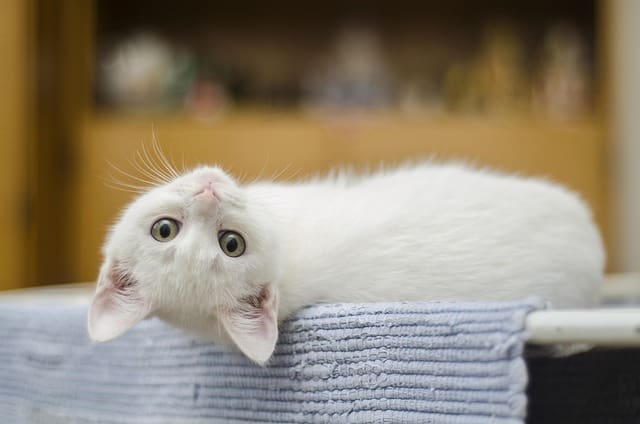
Have you noticed that your cherished pet’s fur isn’t as vibrant or soft as it once was?
Perhaps your dog’s coat lacks its usual shine, or your cat seems to be scratching excessively.
While regular grooming is undoubtedly essential, many pet owners may not realize the profound impact that their pet’s diet has on the health and appearance of their skin and coat.
A diet lacking in essential nutrients can lead to a dry, flaky skin and a weak, lackluster coat.
Conversely, a carefully balanced and nutrient-rich diet can transform your pet’s fur, making it soft, glossy, and strong.
In this article, we will explore in detail how specific nutritional components can enhance your pet’s skin and coat health, highlight the vital nutrients necessary for optimal fur quality, and discuss certain foods and ingredients to approach with caution.
Just like humans, pets require a diverse array of nutrients to maintain overall health.
Their skin and fur are dynamic, living tissues that constantly renew themselves, relying on a steady supply of proper nutrition from their diet.
When a pet’s diet lacks sufficient vitamins, healthy fats, or high-quality protein, their body prioritizes delivering the limited nutrients to vital internal organs.
As a result, the skin and coat may be deprived of the nourishment they need, leading to noticeable issues such as:
However, when pets receive a proper, balanced diet, their good health is visibly reflected in their appearance. Their skin becomes adequately hydrated and supple, and their fur improves significantly in strength, shine, and softness, becoming a true indicator of their internal vitality.
A shiny, healthy coat starts from within. Below, you’ll discover the vital nutrients your pet needs and how they contribute to a vibrant coat:
Protein is fundamental for healthy skin and fur. Hair and skin are primarily composed of protein (keratin), so adequate protein intake is crucial for growth, strength, and repair. If your pet isn’t getting enough high-quality protein, their hair may become thin, look patchy, or grow back slowly after shedding. Look for pet foods that list real meat sources (e.g., chicken, beef, fish, lamb) as the first ingredient. Eggs and certain dairy products (in moderation and if tolerated) can also be excellent supplemental sources of protein.
These essential fatty acids are vital for skin and coat health.
Several vitamins play a crucial role in maintaining skin and coat health:
Important Note: While top-quality pet foods are formulated to provide these nutrients, if you suspect your pet has a deficiency or specific skin issues, always consult your veterinarian before giving extra supplements. Not all pets require supplementation, and excessive amounts of some nutrients can be harmful.
Not all pet foods are created equal.
Certain ingredients, even those that seem harmless, can negatively impact your pet’s skin and fur, often manifesting as skin problems, dry hair, hair loss, or allergic reactions.
It’s crucial to be aware of what to avoid:
Artificial Additives
Low-Quality Protein Sources
Table Scraps and Human Junk Food
Sometimes, it’s not immediately obvious if your pet’s diet is providing what they need.
Many of the first indications of nutritional deficiencies or sensitivities manifest in your pet’s skin and coat.
If you observe any of the following signs, the food you are providing could be the underlying issue:
If your pet’s fur is no longer shiny, but instead appears dull, dry, or greasy, it’s a strong sign they aren’t receiving enough healthy fats, protein, or other essential nutrients.
While shedding is normal, an unusual increase in shedding, the development of bald patches, or hair that takes an excessively long time to grow back can indicate dietary deficiencies.
Persistent scratching, scabbing, or the presence of tiny white flakes (dandruff) in your pet’s fur can indicate dry, irritated skin.
Some pets respond to food allergies or sensitivities with red, irritated, or bumpy skin lesions.
You don’t always need to drastically change your pet’s entire diet at once to see improvements.
Here’s how you can help support their coat health from within and through external care:
Look for high-quality pet food options that list named animal protein sources (e.g., “chicken meal” rather than “meat meal”) as the first ingredient, contain beneficial fats (like chicken fat, flaxseed, fish oil), and avoid artificial colors, flavors, and unnecessary fillers.
Discuss with your veterinarian adding fish oil or other vet-recommended supplements to your pet’s diet.
Always provide your pets with clean, fresh water accessible at all times.
Brushing your pet daily (or as frequently as appropriate for their coat type) will help distribute natural skin oils evenly throughout their fur, remove loose hair, and stimulate circulation, all contributing to a healthier-looking coat.
Incorporating natural ingredients and targeted supplements into your pet’s meals can significantly enhance their skin and hair quality.
Many are rich in vitamins, healthy fats, and essential nutrients that benefit their entire body, with visible results in their appearance.
Pumpkins are more than just a seasonal treat; they are rich in fiber, Vitamin A (from beta-carotene), and various antioxidants.
Slow-cooked broths, often infused with herbs or superfoods, are rich in collagen, amino acids, and a variety of minerals.
Coconut naturally contains Medium-Chain Fatty Acids (MCFAs), like lauric acid, which possess anti-inflammatory and antibacterial properties.
Your pet’s coat is a reliable mirror reflecting their overall health and the quality of their diet.
By consistently providing your pet with balanced, high-quality food, you will inevitably see a significant improvement in their skin and coat.
This approach not only results in softer, shinier fur that’s more hygienic and easier to groom, but also contributes to their overall vitality.
The first and most impactful step to a healthier coat is to scrutinize what your pet eats.
Ensuring your pet receives a diet rich in essential nutrients, while avoiding harmful ingredients, is the most direct path to helping them look and feel their absolute best.
A well-nourished pet will exude health from the inside out; visibly demonstrating the love and care you provide.
 Disclaimer: This article is for educational purposes only and is not a substitute for professional veterinary advice. Always consult your veterinarian before making changes to your pet’s diet, supplements, or healthcare routine.
Natural Joint and Muscle Support: A Comprehensive Guide

Muscle Atrophy in Dogs and Cats: A Comprehensive Guide

Complete Guide for Dogs and Cats

Understanding UTIs in Your Pet