Email:info@petnaturalsupplies.com

🌿 Free Shipping on Orders Over $49 | 🚚 2-Day Delivery | 🍪 Natural Ingredients Only

Email:info@petnaturalsupplies.com

Hairballs and Feline Digestive Health

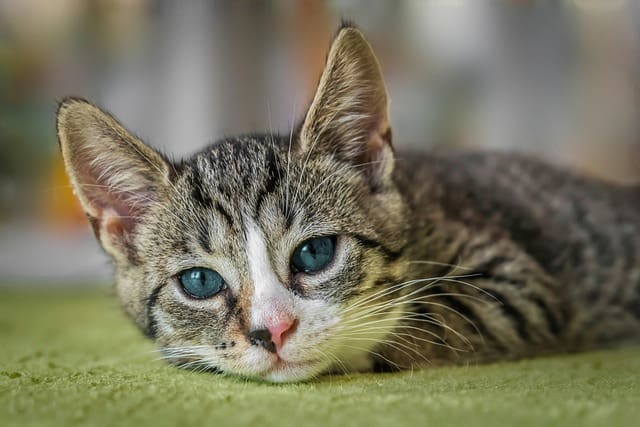
european-shorthair

Why Do Cats Vomit So Much?

Why Do Cats Vomit So Much?

For many cat owners, the sight of their meticulously grooming feline suddenly coughing, gagging, and then leaving a slimy mess on the floor is an all-too-familiar experience.

It’s frustrating, certainly a bit unpleasant, and often quite worrying.

If you’ve found yourself asking:

  • Why is my cat throwing up again?
  • Is this just a hairball, or could it be something more serious?
  • Do all cats vomit this frequently?

You’re not alone. Vomiting in cats is a common occurrence but understanding when it’s considered normal and when it signals a potential health concern is crucial for maintaining your cat’s health and well-being.

This guide aims to demystify feline vomiting, providing clear, straightforward answers and actionable advice to help you manage your cat’s digestive health.

Is Cat Vomiting Normal or Not?

Occasional vomiting in cats, such as an infrequent hairball, may not be a cause for immediate alarm.

However, if your cat is vomiting regularly or frequently, it’s their way of telling you that something isn’t quite right.

What is generally considered occasional (and less concerning) vomiting?

  • Happens rarely, perhaps once every 1–2 weeks.
  • Typically occurs after a grooming session (often a hairball).
  • Your cat shows no other signs of illness (e.g., maintaining normal energy, appetite, and litter box habits).

When might vomiting be a problem?

  • Vomiting occurs frequently (e.g., more than once a week, or multiple times a day).
  • The vomit consistently contains undigested food, clear foam, or yellow bile.
  • It’s accompanied by other concerning symptoms such as weight loss, decreased appetite, lethargy, changes in thirst or urination, or unusual behavior.
  • You notice blood in the vomit or stool.

Quick Tip for Monitoring

If you’re unsure about the frequency or nature of your cat’s vomiting, start a “vomit diary.” Simply jot down the date, time, what your cat vomited (e.g., hairball, food, bile), and what they ate that day. This record can help you identify patterns and provide invaluable information for your veterinarian.

Hairballs: The Most Common Reason Cats Vomit

  • Cats are meticulous groomers by nature; it’s an essential part of their hygiene and self-care.
  • However, during grooming, they inevitably ingest loose fur.
  • While some of this hair passes harmlessly through their digestive system and is excreted in their feces, some hair can accumulate in the stomach, forming hairballs.
  • When a hairball becomes too large or dense to pass through the digestive tract, your cat’s body attempts to expel it by vomiting.

What does a hairball typically look like?

  • It’s usually a compact clump of matted hair.
  • It may be surrounded by clear liquid or mucus.
  • It can sometimes be mixed with a small amount of food or foam.

Common indications that your cat is attempting to expel a hairball

  • Repeated gagging or hacking noises.
  • Retching, where your cat attempts to vomit but nothing is produced immediately.
  • Eventually, a hairball is produced (though some hairballs can still pass through the digestive system and appear in the litter box).

How often should cats get hairballs?

For most cats, an occasional hairball every few weeks is generally considered normal, especially for long-haired breeds like Persians or Maine Coons.

However, frequent hairballs (e.g., every few days) can indicate that there might be an underlying issue with your cat’s digestion or excessive shedding that needs addressing.

Other Common Reasons Cats Vomit

While hairballs are a very prevalent cause, they are not the only reason a cat might vomit.

If your cat’s vomiting isn’t typical for hairballs, or if it occurs frequently, consider these other potential causes:

  • Eating Too Fast

    Some cats tend to eat their food very quickly, almost as if it’s a race. This rapid consumption can lead them to swallow a lot of air along with their food, which can upset their stomach and lead to regurgitation or vomiting shortly after eating.

  Solution: Use slow-feeder bowls or puzzle feeders. Alternatively, divide their daily food allowance into smaller, more frequent meals throughout the day.

  • Food Intolerances or Allergies

    Cats can develop sensitivities or allergies to certain ingredients commonly found in cat food, such as specific proteins (like chicken or beef), grains, or artificial additives.

  When they consume an ingredient they are sensitive to, it can trigger an inflammatory response in their digestive system, leading to vomiting.

  Signs to Watch For

    • Vomiting consistently occurs after consuming specific meals or treats.
    • Accompanying symptoms like itchy skin, excessive grooming, or soft/runny stools.

   Solution: Switch to a limited-ingredient or veterinary-prescribed hypoallergenic cat food. Observe if symptoms improve over 2-3 weeks and consult your vet for guidance.

  • Inflammatory Bowel Disease (IBD)

    IBD is a chronic condition characterized by persistent irritation and inflammation of the stomach and/or intestines.

It is one of the more common chronic gastrointestinal disorders diagnosed in cats.

 Common Signs of IBD:

    • Frequent vomiting or chronic diarrhea.
    • Weight loss despite maintaining a normal appetite.
    • Noticeable changes in appetite.

If you observe a combination of these symptoms, it is crucial to seek veterinary attention for diagnosis and management.


  • Parasites and Infections

    Internal parasites (like worms), bacteria, or viruses can all infect your cat’s digestive system, leading to irritation and vomiting.

You Might Notice:

    • Vomiting, often accompanied by diarrhea.
    • A bloated or distended belly.
    • Lethargy or a dull coat.

A simple stool test performed by your veterinarian can confirm the presence of parasites or certain infections, and treatment is often quick and effective.

  • Stress and Anxiety

    • Cats are sensitive creatures, and psychological stress can manifest in physical ways, including digestive upset and vomiting.
    • Even seemingly minor changes in their environment or routine can trigger anxiety.
    • Cats are generally averse to change, and feeling overwhelmed by new circumstances can lead to tummy troubles.

Signs That Your Cat Might Be Stressed

    • Increased hiding behavior, even from familiar family members.
    • Excessive grooming or pulling out fur (especially on the belly or legs).
    • Changes in litter box habits, such as urinating or defecating outside the litter box.
  • Other Chronic Health Conditions

    Sometimes, vomiting is a symptom of more serious, underlying systemic health problems that become more common as cats age. These can include:

  • Kidney disease: Impaired kidney function can lead to a buildup of toxins that cause nausea.
  • Liver issues: Liver disease can affect metabolism and lead to gastrointestinal upset.
  • Hyperthyroidism: An overactive thyroid gland often causes increased appetite and weight loss, but can also lead to vomiting.
  • Pancreatitis: Inflammation of the pancreas.
  • Cancer: Various types of feline cancer can cause vomiting as a symptom.

These conditions are often accompanied by other general symptoms such as increased thirst, changes in urination, weight loss despite eating, or changes in energy levels.

Don’t panic, but do be proactive. If your cat vomits often, or if you notice any other concerning symptoms, consult your veterinarian promptly.

Modern Diet Tips for Cats (Effective Strategies)

Your cat’s diet plays a pivotal role in their digestive comfort and overall health.

With the variety of high-quality options available today, it’s easier than ever to select a diet that can help reduce vomiting and support healthy digestion.

Here’s what to focus on

  • Choose Hairball-Control Formulas: These specialized foods are formulated with additional fiber (e.g., psyllium, beet pulp) that helps ingested fur move smoothly through the digestive tract and out with feces, rather than accumulating in the stomach and being vomited up.
  • Opt for Wet Food: Wet cat food is generally easier to digest than dry kibble, helps keep your cat well-hydrated (which is crucial for digestive health and overall well-being), and can often reduce hairball formation due to its moisture content. An added benefit: most cats find wet food highly palatable.
  • Consider Novel Proteins: If food sensitivities or allergies are suspected as the cause of vomiting, your veterinarian might recommend a diet featuring a “novel protein”—a protein source your cat has never consumed before, such as duck, venison, rabbit, or specialized hydrolyzed protein diets. This can help identify and eliminate dietary triggers.
  • Add a Little Fiber: Supplementing your cat’s diet with a small amount of plain, unsweetened canned pumpkin or vet-approved fiber-rich treats can significantly aid digestion and help with hairball control by promoting gastrointestinal motility.

⚠️ Disclaimer: This article is for educational purposes only and is not a substitute for professional veterinary advice. Always consult your veterinarian before making changes to your pet’s diet, supplements, or healthcare routine.

Share:

More Posts

Send Us A Message


    Scroll to Top

    Join us for