

Natural Joint and Muscle Support for Dogs
Natural Joint and Muscle Support: A Comprehensive Guide
Email:info@petnaturalsupplies.com
Email:info@petnaturalsupplies.com
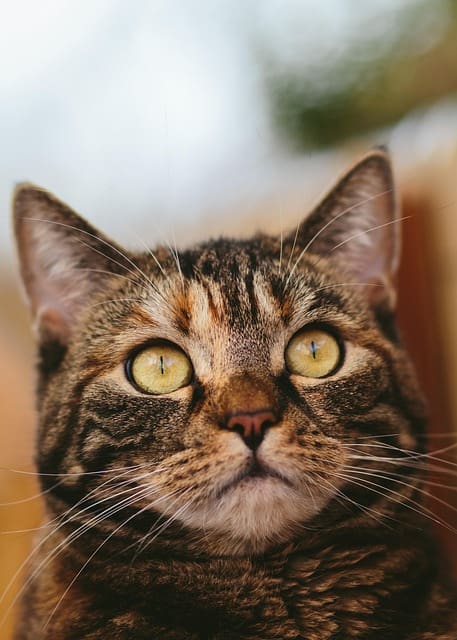
Heart health is essential for both dogs and cats, yet cardiovascular conditions are more common than many pet owners realize.
As pets age, or if they belong to breeds predisposed to cardiac disease, their risk of developing heart-related problems increases significantly.
Issues such as congestive heart failure, arrhythmias, hypertension, and dilated cardiomyopathy (DCM) can compromise quality of life and, in severe cases, shorten lifespan.
While veterinary care and prescribed medications remain the cornerstone of treatment, many owners look for natural supplements to provide additional support.
Nutritional compounds like taurine, L-carnitine, and omega-3 fatty acids are backed by decades of veterinary research, while botanicals such as hawthorn and nutraceuticals like Coenzyme Q10 (CoQ10) are gaining attention for their potential to support circulation and heart muscle performance.
This article explores the science, safety, and practical use of supplements for cardiovascular support in dogs and cats.
It blends plain-language explanations with evidence-based academic insights so that pet owners and veterinary professionals can better understand how these options may fit into a comprehensive heart health strategy.
The heart is like a pump that never rests.
To do its job, it needs constant energy, steady circulation, and protection from damage.
Some nutrients and plant compounds work by:
• Fueling the heart muscle: Taurine and L-carnitine help heart cells produce energy efficiently.
• Improving circulation: Omega-3 fatty acids and hawthorn can help blood flow more smoothly.
• Reducing inflammation and oxidative stress: Antioxidants like CoQ10 defend the heart against wear and tear.
Cardiovascular support supplements influence heart health through biochemical and physiological mechanisms:
• Taurine: An amino sulfonic acid critical for calcium homeostasis and myocardial contractility. Deficiency disrupts excitation–contraction coupling, leading to dilated cardiomyopathy in cats and certain dog breeds (Backus et al., 2003).
• L-carnitine: Transports long-chain fatty acids into mitochondria for β-oxidation, optimizing myocardial ATP generation. Deficiency contributes to reduced contractility and myocardial dysfunction (Keene et al., 1991).
• Omega-3 fatty acids (EPA/DHA): Modulate arachidonic acid pathways, reducing pro-arrhythmic eicosanoids and systemic inflammation. They also improve endothelial function and stabilize cardiac membranes (Smith et al., 2007).
• Hawthorn (Crataegus spp.): Flavonoids and oligomeric procyanidins exert positive inotropic effects, enhance coronary blood flow, and reduce peripheral resistance (Tauchert, 2002).
• Coenzyme Q10: Serves as an electron carrier in oxidative phosphorylation, boosting myocardial ATP output while mitigating oxidative damage to cardiomyocytes (Mortensen et al., 2014).
• Taurine: Case series show supplementation reverses dilated cardiomyopathy (DCM) in breeds such as Newfoundlands and Golden Retrievers with low plasma taurine (Backus et al., 2003).
• L-carnitine: Boxer dogs with cardiomyopathy improved after supplementation, with reported increases in myocardial carnitine concentrations and function (Keene et al., 1991).
• Fish oil (EPA/DHA): Controlled trials demonstrated reductions in arrhythmias and inflammatory cytokines in dogs with naturally occurring cardiac disease (Smith et al., 2007).
• CoQ10: Pilot studies suggest enhanced exercise tolerance and improved cardiac output in canine CHF patients, though sample sizes remain small (Bisol et al., 2002).
• Taurine: Deficiency is a proven cause of feline DCM. Pion et al. (1987) demonstrated reversal of myocardial failure in cats after taurine supplementation.
• Omega-3 fatty acids: Studies indicate anti-inflammatory and anti-cachectic effects, which may improve quality of life in feline heart disease (Freeman, 2010).
• Other nutraceuticals (hawthorn, CoQ10): Largely unstudied in cats; extrapolation from canine and human research must be approached cautiously due to feline-specific metabolism.
• Hawthorn extract (WS 1442): Randomized controlled trials in humans with CHF reported improved exercise tolerance, reduced fatigue, and enhanced cardiac output (Tauchert, 2002).
• CoQ10 (Q-SYMBIO trial): Large-scale human studies confirmed reduced morbidity and mortality in chronic heart failure patients taking CoQ10 (Mortensen et al., 2014).
• Strengths: Taurine and L-carnitine studies in pets are well-established, especially in cats and certain dog breeds. Fish oil is one of the most evidence-supported supplements for both species.
• Limitations: Hawthorn and CoQ10 lack large-scale veterinary trials. Most supportive data are extrapolated from humans. Species-specific safety, metabolism, and dosing remain uncertain.
• Research Gaps: Long-term controlled trials in healthy breeds, as well as safety and efficacy studies in cats for herbal extracts, are needed.
Supplements can help, but they are not risk-free.
The right dose depends on the pet’s species, weight, and health status.
Some supplements that are safe for dogs can be harmful to cats, and combining supplements with prescription medications can lead to interactions.
• Taurine:
• Safe and well tolerated.
• Cats: 250–500 mg/day.
• Dogs: 500–1,000 mg/day depending on size.
• L-carnitine:
• Doses of 50–100 mg/kg/day studied in dogs.
• Mild gastrointestinal upset is possible.
• Omega-3 fatty acids (EPA+DHA):
• Safe upper dose: ~370 mg/kg/day in dogs, ~280 mg/kg/day in cats.
• Excessive dosing risks coagulopathy and GI upset.
• Hawthorn (Crataegus spp.):
• Limited pet-specific data.
• Potential interactions with cardiac glycosides, ACE inhibitors, and hypotensive agents.
• CoQ10:
• Generally, well tolerated.
• Canine studies used 10–30 mg/kg/day.
• No known feline toxicity, but feline-specific studies lacking.
• Use veterinary-formulated supplements free from xylitol, garlic, or artificial flavorings.
• Look for third-party certifications (e.g., NASC Quality Seal, USP).
• Avoid unverified herbal tinctures or extracts that lack dosage transparency.
• Work with your veterinarian first. Supplements should complement, not replace, medical treatment.
• Start gradually. Introduce one supplement at a time and monitor for appetite, energy, or stool changes.
• Choose quality brands. Look for veterinary-approved or third-party tested products.
• Think holistically. Supplements work best when combined with a heart-healthy diet, controlled exercise, and weight management.
• Monitor progress. Regular veterinary check-ups (auscultation, echocardiogram, blood work) are vital to assess whether supplements are beneficial.
Q: What supplements support dog heart health naturally?
Taurine, L-carnitine, omega-3 fatty acids, and CoQ10 are among the most researched supplements for canine cardiovascular support. Some herbs, such as hawthorn, may also help, though evidence is limited.
Q: Can cats take fish oil for heart support?
Yes, but the dose must be carefully adjusted for cats. Only use high-quality, veterinary-approved fish oil without additives.
Q: Is hawthorn safe for pets with heart disease?
Hawthorn is well studied in humans, but veterinary data are scarce. It should only be used under veterinary supervision.
Q: Can supplements replace heart medication?
No. Supplements may support heart health but cannot replace prescribed treatments for heart disease.
• Backus, R. C., Ko, K. S., Fascetti, A. J., Kittleson, M. D., MacDonald, K. A., Maggs, D. J., … Pion, P. D. (2003). Low plasma taurine concentrations in Newfoundland dogs are associated with dilated cardiomyopathy. Journal of Veterinary Internal Medicine, 17(2), 268–275.
• Bisol, A., et al. (2002). Coenzyme Q10 supplementation in canine congestive heart failure. Veterinary Research Communications, 26, 255–269.
• Freeman, L. M. (2010). Omega-3 fatty acids and cardiac disease in dogs and cats. Veterinary Clinics of North America: Small Animal Practice, 40(1), 233–244.
• Keene, B. W., Panciera, D. L., Atkins, C. E., Regitz, V., Schmidt, M. J., & Bartel, J. (1991). Myocardial carnitine deficiency in dogs with dilated cardiomyopathy. Journal of the American Veterinary Medical Association, 198(2), 264–270.
• Mortensen, S. A., Rosenfeldt, F., Kumar, A., Dolliner, P., Filipiak, K. J., Pella, D., … Littarru, G. P. (2014). The effect of coenzyme Q10 on morbidity and mortality in chronic heart failure: Results from Q-SYMBIO. JACC: Heart Failure, 2(6), 641–649.
• Pion, P. D., Kittleson, M. D., Rogers, Q. R., & Morris, J. G. (1987). Myocardial failure in cats associated with low plasma taurine: A reversible cardiomyopathy. Science, 237(4816), 764–768.
• Smith, C. E., Freeman, L. M., Rush, J. E., Cunningham, S. M., & Biourge, V. (2007). Omega-3 fatty acids in dogs with naturally occurring cardiac disease. Journal of Veterinary Internal Medicine, 21(2), 265–273.
• Tauchert, M. (2002). Efficacy and safety of Crataegus extract WS 1442 in older patients with heart failure. American Journal of Geriatric Cardiology, 11(2), 108–113.
⚠️ Disclaimer: This article is for educational purposes only and is not a substitute for professional veterinary advice. Always consult your veterinarian before making changes to your pet’s diet, supplements, or healthcare routine.
Natural Joint and Muscle Support: A Comprehensive Guide

Muscle Atrophy in Dogs and Cats: A Comprehensive Guide

Complete Guide for Dogs and Cats
Understanding UTIs in Your Pet

PetNaturalSupplies.com offers holistic, budget-friendly pet products made with love, herbs, and quality ingredients.
We’re here to support your pet’s wellness with trusted care and friendly service.
“Your pet’s health, naturally.” 🐶🐱 © 2025 PetNaturalSupplies. All Rights Reserved.