

Natural Joint and Muscle Support for Dogs
Natural Joint and Muscle Support: A Comprehensive Guide
Email:info@petnaturalsupplies.com
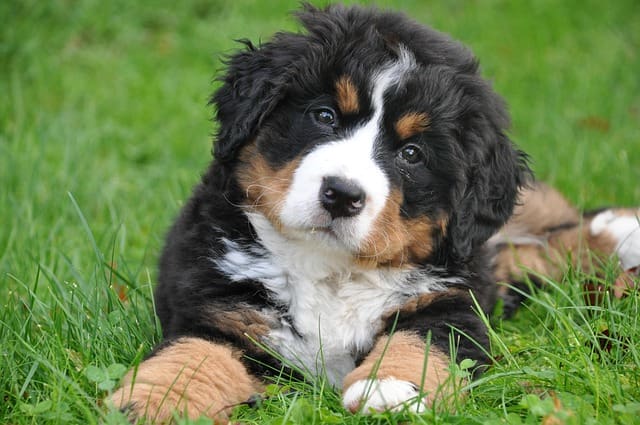
Muscle atrophy refers to the gradual loss or degeneration of muscle mass in dogs and cats.
In cats, muscle atrophy is primarily recognized when there is generalized muscle loss and owners are able to easily feel the spine, hips, and rib bones, while atrophy of muscles in dogs is very common in aging dogs, dogs that are ill or dogs that cannot exercise properly.
This condition affects pets of all ages but becomes increasingly prevalent as animals mature, impacting their quality of life, mobility, and overall health.
Pet owners typically first notice muscle atrophy when their animal’s body shape changes visibly prominent bone structures become more apparent, the pet feels thinner despite maintaining similar eating habits, or there’s a noticeable decline in strength and activity levels.
Unlike temporary weight loss from reduced appetite, muscle atrophy represents the actual breakdown of muscle tissue, which requires targeted intervention to address effectively.
Understanding muscle atrophy is crucial for pet owners because early recognition and intervention can significantly slow progression and maintain your pet’s quality of life.
The condition encompasses two primary forms: sarcopenia (age-related muscle loss) and cachexia (disease-related muscle wasting), each requiring different approaches to management and prevention.
Muscle atrophy occurs when the balance between muscle protein synthesis (building) and muscle protein breakdown (degradation) shifts toward breakdown.
In healthy animals, this process maintains equilibrium—muscles constantly repair and rebuild themselves. However, various factors can disrupt this balance, leading to net muscle loss.
At the cellular level, muscle atrophy involves the activation of proteolytic pathways that break down muscle proteins.
The ubiquitin-proteasome system and autophagy pathways become hyperactive, essentially “consuming” muscle tissue faster than the body can replace it.
This process is often triggered or accelerated by inflammatory cytokines—signaling molecules that promote inflammation and can directly stimulate muscle breakdown.
Dogs and cats exhibit different patterns of muscle atrophy based on their unique physiological characteristics.
Cats, being obligate carnivores, have higher protein requirements and may show muscle loss more rapidly when protein intake becomes inadequate.
Their lean body composition also makes muscle loss more visually apparent earlier in the process.
Dogs, with their more varied dietary adaptations, may show muscle atrophy patterns that differ based on breed size, genetics, and activity level.
Larger breeds often experience more pronounced age-related muscle loss, while smaller breeds may maintain muscle mass longer but show different patterns of weakness.
Cachexia is the loss of lean body mass (LBM) that affects a large proportion of dogs and cats with congestive heart failure (CHF), chronic kidney disease (CKD), cancer, and a variety of other chronic diseases.
Sarcopenia, the loss of LBM that occurs with aging, is a related syndrome, according to research published in the Journal of Veterinary Internal Medicine (Freeman, 2012).
The distinction between these conditions is clinically significant.
Cachexia represents a pathological process driven by underlying disease and systemic inflammation, while sarcopenia occurs as part of normal aging.
However, cachexia and frailty can be described as independent entities yet are interrelated as constituents of malnutrition and the aging process.
The unifying aspect is lean muscle loss, ultimately driven by inflammation (Freeman et al., 2021).
Research indicates that muscle loss affects a substantial portion of the companion animal population.
Studies examining cachexia in dogs with chronic heart failure found prevalence rates exceeding 50% in moderate to severe cases.
Similarly, cats with chronic kidney disease show significant rates of muscle wasting, with some studies indicating that muscle loss may precede other clinical signs of disease progression.
The clinical significance extends beyond aesthetics.
Animals with muscle atrophy demonstrate reduced exercise tolerance, decreased immune function, and increased mortality risk.
Research has shown that pets with significant muscle loss require longer recovery times from illness and show decreased response to various treatments.
Most current research on companion animal muscle atrophy relies on clinical observation and body condition scoring rather than sophisticated imaging techniques commonly used in human medicine.
This limitation affects the precision of measurements and early detection capabilities.
However, clinical trials in companion animals can often be shorter than in humans since dogs and cats typically reach endpoints (e.g., CHF) faster than humans, providing valuable insights into disease progression.
Recent advances include the use of biomarkers for muscle breakdown, such as 3-methylhistidine excretion and creatinine kinase levels, which offer more objective measures of muscle catabolism.
These tools are beginning to bridge the gap between subjective assessment and quantitative measurement.
Normal aging represents the most common cause of muscle atrophy in companion animals. As pets age, several physiological changes contribute to muscle loss:
• Decreased protein synthesis: Aging cells become less efficient at producing new muscle proteins
• Hormonal changes: Reduced growth hormone and insulin-like growth factor levels
• Decreased activity levels: Natural reduction in exercise and movement
• Nutritional inefficiency: Reduced absorption and utilization of dietary protein
Senior pets (typically dogs over 7-10 years and cats over 11 years) commonly experience sarcopenia as part of normal aging.
However, the rate and severity can be significantly influenced by nutrition, exercise, and overall health management.
Multiple chronic diseases can trigger muscle wasting through inflammatory pathways:
• Cancer-Related Cachexia: Malignancies produce cytokines that directly stimulate muscle breakdown while suppressing appetite and protein synthesis.
Cancer cachexia represents one of the most aggressive forms of muscle loss in companion animals.
• Chronic Kidney Disease: Progressive kidney dysfunction leads to uremic toxins that interfere with muscle metabolism.
Additionally, dietary protein restrictions sometimes implemented for kidney protection can inadvertently contribute to muscle loss if not carefully managed.
• Congestive Heart Failure: Chronic heart conditions create a state of systemic inflammation and reduced circulation, both contributing to muscle wasting.
The condition is often compounded by decreased activity tolerance and appetite changes.
• Inflammatory Bowel Disease: Inflammatory cells, such as lymphocytes, invade the lining of the intestines and prevent the absorption of nutrients, leading to malnutrition and subsequent muscle loss.
Conditions affecting the nervous system or musculoskeletal structure can lead to disuse atrophy:
• Intervertebral disc disease: Pain and mobility limitations reduce muscle use
• Arthritis: Joint inflammation and pain discourage movement
• Neurological disorders: Conditions affecting nerve function directly impact muscle maintenance
• Injury recovery: Extended periods of reduced activity during healing
Inadequate protein intake, poor protein quality, or malabsorption can contribute to muscle loss.
This is particularly relevant for cats, given their high protein requirements as obligate carnivores.
Essential amino acid deficiencies, particularly leucine, can significantly impact muscle protein synthesis.
• High-Quality Protein Sources: Research supports the importance of maintaining adequate protein intake to prevent muscle loss.
For healthy adult cats, minimum protein requirements are approximately 26% dry matter, while dogs require about 18% dry matter.
However, senior animals and those with muscle loss may benefit from higher protein levels when kidney function permits.
• Amino Acid Supplementation: Branched-chain amino acids (BCAAs), particularly leucine, play crucial roles in muscle protein synthesis.
Natural sources include high-quality animal proteins, with eggs providing one of the most complete amino acid profiles.
• Omega-3 Fatty Acid Support: Supplementing the diet of the pet with fish oil (a rich source of omega-3 fatty acids) can help reduce levels of inflammatory cytokines; elevated inflammatory state is typically associated with cachexia.
Research indicates that EPA and DHA from marine sources are most effective, as flax seed oil or other plant-based omega-3 fatty acids are ineffective sources of EPA and DHA in dogs and cats.
Antioxidant Support: Natural antioxidants may help reduce oxidative stress that contributes to muscle breakdown. Sources include:
• Blueberries: Rich in anthocyanins with anti-inflammatory properties
• Turmeric: Contains curcumin, which may help reduce inflammatory cytokines
• Green tea extract: Provides polyphenols that may support muscle health
• Adaptogenic Herbs: While research in companion animals is limited, some herbs traditionally used for strength and vitality show promise:
• Rhodiola: May support stress adaptation and energy metabolism
• Ashwagandha: Preliminary research suggests potential benefits for muscle strength (human studies)
• Coenzyme Q10: This naturally occurring compound supports cellular energy production and may help maintain muscle function, particularly in aging animals.
Regular, appropriate exercise represents one of the most effective interventions for preventing muscle atrophy. The key is finding the right balance—enough activity to stimulate muscle maintenance without causing excessive fatigue or stress.
• Daily walks appropriate to age and fitness level
• Swimming for low-impact muscle engagement
• Structured play activities that encourage movement
• Interactive toy sessions to encourage hunting behaviors
• Vertical climbing opportunities
• Multiple short play periods throughout the day
Pet owners can monitor for muscle atrophy through regular hands-on assessment:
• Body Condition Scoring: Monthly evaluation of muscle mass over the spine, ribs, and hindquarters
• Activity Monitoring: Noting changes in exercise tolerance, play interest, or mobility
• Weight Tracking: Regular weighting, noting that muscle loss can occur even with stable weight if fat replaces muscle
• Choose high-quality protein sources as the primary ingredient
• Consider senior-specific formulations for aging pets
• Consult with veterinarians about protein levels, especially for pets with kidney concerns
• Maintain consistent feeding schedules to optimize protein utilization
• Provide comfortable, accessible sleeping areas to encourage rest and recovery
• Ensure easy access to food and water to prevent nutritional deficits
• Create opportunities for natural movement and exercise
• Minimize stress factors that can contribute to inflammation
Regular veterinary assessment is crucial for early detection and management of muscle atrophy.
Your veterinarian can help differentiate between normal aging changes and pathological muscle loss requiring specific intervention.
• Is my pet’s muscle loss within normal limits for their age?
• Should we investigate underlying diseases that might contribute to muscle wasting?
• What dietary modifications would be most beneficial?
• Are there specific supplements that might help?
• How should we modify exercise routines?
Q: What are the first signs of muscle atrophy in dogs and cats? A: Early signs include easily feeling the spine, ribs, and hip bones, decreased activity levels, and reduced muscle bulk over the hindquarters and shoulders.
Q: Can muscle atrophy be reversed in pets? A: While age-related changes cannot be completely reversed, proper nutrition, exercise, and management of underlying conditions can slow progression and sometimes improve muscle mass.
Q: What foods help prevent muscle loss in senior pets? A: High-quality protein sources, omega-3 rich fish, and foods with complete amino acid profiles help maintain muscle mass. Senior-specific diets often provide optimal nutrition ratios.
Q: How much exercise do senior pets with muscle atrophy need? A: Exercise should be moderate and regular, adapted to the pet’s capabilities. Short, frequent sessions are often better than long, intensive activities.
Q: When should I be concerned about my pet’s muscle loss? A: Consult your veterinarian if you notice rapid muscle loss, significant changes in activity levels, or if muscle loss is accompanied by other symptoms like appetite changes or weakness.
• Freeman, L. M. (2012). Cachexia and sarcopenia: emerging syndromes of importance in dogs and cats. Journal of Veterinary Internal Medicine, 26(1), 3-17.
• Freeman, L. M., Michel, K. E., Zanghi, B. M., Vester Boler, B. M., & Fettman, M. J. (2021). Nutritional concerns for cancer, cachexia, frailty, and sarcopenia in canine and feline pets. Veterinary Clinics: Small Animal Practice, 51(3), 729-744.
• Freeman, L. M. (2018). Cachexia and sarcopenia in companion animals: An under‐utilized natural animal model of human disease. JCSM Rapid Communications, 1(1), e00006.
• McGavin, M. D., & Valentine, B. A. (2001). Muscle. In M. D. McGavin et al. (Eds.), Thomson’s Special Veterinary Pathology (3rd ed., pp. 461-473). Mosby.
• Schiaffino, S., Dyar, K. A., Ciciliot, S., Blaauw, B., & Sandri, M. (2013). Mechanisms regulating skeletal muscle growth and atrophy. FEBS Journal, 280(17), 4294-4314.
• Making significant changes to your pet’s diet or exercise routine
• Starting any supplement regimen
• If you notice signs of muscle loss or weakness in your pet
• Before discontinuing any prescribed medications or treatments
• Self-diagnose your pet’s condition
• Delay seeking professional veterinary care
• Replace prescribed medications or treatments
• Make decisions about serious health conditions
Individual pets may respond differently to interventions mentioned in this article.
What works for one animal may not be appropriate for another, depending on age, health status, breed, and other factors.
Your veterinarian is the best resource for personalized advice about your pet’s specific needs.
If your pet shows signs of muscle atrophy, weakness, or other concerning symptoms, seek immediate veterinary attention.
Early professional intervention often provides the best outcomes for managing muscle loss and underlying conditions.
⚠️ Disclaimer: This article is for educational purposes only and is not a substitute for professional veterinary advice.
Always consult your veterinarian before making changes to your pet’s diet, supplements, or healthcare routine.
Natural Joint and Muscle Support: A Comprehensive Guide

Complete Guide for Dogs and Cats

Understanding UTIs in Your Pet

Seizures and Epilepsy in Dogs and Cats

PetNaturalSupplies is a source-cited information resource for rabbit, guinea pig, and chinchilla owners.
Every answer names the published reference behind it — no guessing, no AI-generated facts.
“Your pet’s health, naturally.” © 2026 PetNaturalSupplies. All Rights Reserved.