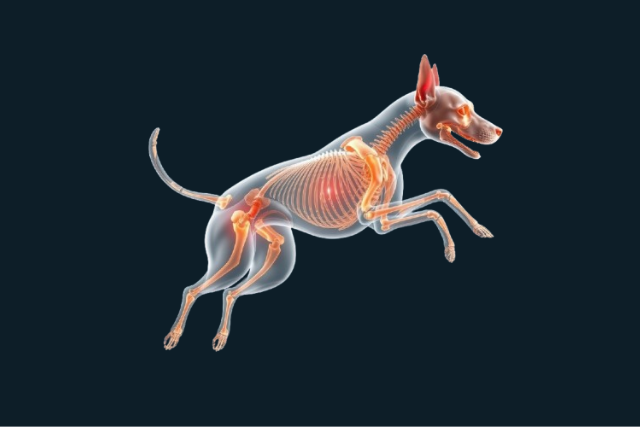
Natural Joint and Muscle Support for Dogs
Natural Joint and Muscle Support: A Comprehensive Guide


Systemic inflammation during urinary tract infections (UTIs) in dogs or cats is a complex process that affects the entire body. Understanding how systemic inflammation arises and its impact is crucial for providing proper care to our beloved pets.
Urinary tract infections in dogs and cats can stem from various sources such as bacteria and fungi.
The most common cause of cystitis in dogs is bacterial infection, with Escherichia coli being a prevalent organism.
Other causes include bladder stones, tumors, or polyps in the bladder. In cats, Escherichia coli is also a common culprit for UTIs.
Follicular cystitis in dogs can result from recurrent bacterial UTIs, leading to chronic urinary bladder inflammation.
These infections manifest in the urinary tract system by causing symptoms like pollakiuria, hematuria, dysuria, and inappropriate urination.
Recognizing these symptoms promptly is crucial for timely intervention and effective treatment of UTIs in pets.
Click this link -> Cystitis in Dogs to learn more about.
For more information on cystitis in dogs, you can refer to this Cystitis in dogs article. To understand C-reactive protein as an indicator of inflammatory changes associated with UTIs, you may find this source helpful. Additionally, for insights into follicular cystitis in dogs caused by recurrent bacterial UTIs, you can explore this resource.
To delve deeper into the prevention and treatment of urinary tract infections in dogs and cats, you can check out this informative guide on Urinary Tract Infections (UTIs) in Dogs provided by VCA Hospitals.
Diagnostic tests play a crucial role in identifying urinary tract infections (UTIs) in pets. Common diagnostic tests include urinalysis and culture sensitivity tests. Urinalysis involves analyzing a urine sample to detect signs of infection such as white blood cells, bacteria, and red blood cells. This test helps veterinarians determine the presence of an infection and the type of bacteria causing it.
Culture sensitivity tests are performed by taking a urine sample and growing the bacteria in a lab to identify the specific strain causing the infection. This test helps in determining the most effective antibiotic for treatment, reducing the risk of antibiotic resistance and ensuring targeted therapy for the infection.
Antibiotics: Commonly used antibiotics for UTIs in pets include amoxicillin, cephalosporins, and trimethoprim-sulfonamide. Proper administration and completion of the prescribed antibiotic course are crucial for successful treatment.
Antifungals: In cases where fungal infections are identified, antifungal medications are prescribed to target the specific fungi causing the UTI.
Anti-Inflammatory Drugs: These medications help alleviate inflammation and discomfort associated with UTIs, promoting the pet’s recovery and overall well-being.
Urinary tract infections (UTIs) in pets can be a recurring issue, but there are effective ways to prevent their recurrence and manage systemic inflammation in the long term. By implementing preventive measures and adopting strategies for long-term management, pet owners can significantly improve their furry companions’ urinary tract health and overall well-being.
 Disclaimer: This article is for educational purposes only and is not a substitute for professional veterinary advice. Always consult your veterinarian before making changes to your pet’s diet, supplements, or healthcare routine.
Natural Joint and Muscle Support: A Comprehensive Guide

Muscle Atrophy in Dogs and Cats: A Comprehensive Guide

Complete Guide for Dogs and Cats

Understanding UTIs in Your Pet


Cystitis means inflammation of the bladder, and the term is used as a general description for any disease that causes inflammation.