

Natural Joint and Muscle Support for Dogs
Natural Joint and Muscle Support: A Comprehensive Guide
Email:info@petnaturalsupplies.com
Email:info@petnaturalsupplies.com
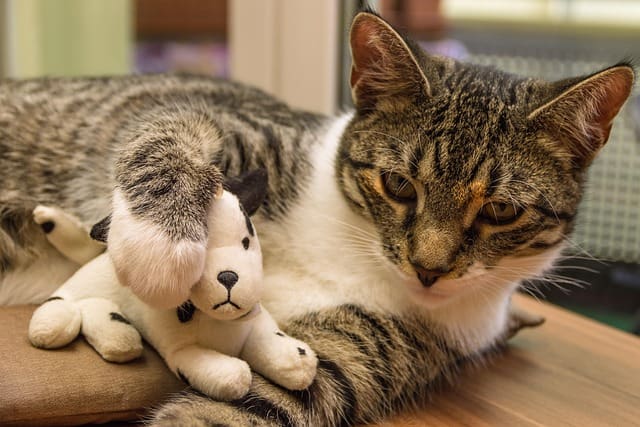
Urinary tract infections (UTIs) are common bacterial infections affecting the bladder, urethra, and sometimes kidneys of dogs and cats.
While conventional antibiotic treatment remains the gold standard, evidence-based natural approaches may help support urinary tract health and potentially prevent recurrent infections.
Research indicates that cranberry extract may be as effective as antimicrobials in preventing UTIs without side effects, while other natural compounds like D-mannose and herbal remedies show promise as complementary therapies.
• Cranberry extract for bacterial adhesion prevention
• D-mannose as a bacterial binding sugar
• Herbal remedies like marshmallow root for inflammation
• Probiotics for microbiome support
• Dietary modifications for urinary pH balance
Natural treatments should complement, not replace, veterinary care. Always consult your veterinarian before starting any natural treatment protocol.
The primary mechanism behind effective natural UTI treatments involves preventing harmful bacteria from adhering to the urinary tract walls.
Cranberry contains natural compounds called proanthocyanidins that help prevent harmful bacteria from adhering to the walls of the urinary tract, reducing the risk of urinary tract infections.
This anti-adhesion property is crucial because once bacteria establish themselves on the urinary tract lining, they can multiply rapidly and cause infection.
Dogs and cats have different urinary tract anatomies and physiologies that affect UTI development and treatment.
Female pets of both species are more susceptible due to shorter urethras, while cats have more concentrated urine that can both protect against and predispose them to certain types of urinary issues.
Understanding these differences is essential when implementing natural prevention strategies.
Maintaining optimal urine pH is critical for preventing bacterial growth.
Preventing problems with your dog’s urinary tract starts with keeping their urine pH between 6 and 6.5.
Natural approaches often focus on creating an inhospitable environment for pathogenic bacteria while supporting beneficial urinary tract flora.
The most extensively studied natural UTI treatment is cranberry extract.
A study published in the American Journal of Veterinary Research examined cranberry extract’s effects on UTI prevention in dogs, finding that none of the dogs developed UTIs during the study period.
This research specifically used canine subjects, making it more relevant than human studies for veterinary applications.
However, the evidence remains mixed.
Critical analysis reveals weak theoretical justification for using cranberry products for UTIs, with conflicting clinical trial evidence in humans and no comprehensive clinical studies in dogs and cats.
This highlights the need for more robust veterinary-specific research.
• Small sample sizes in most veterinary studies
• Variation in cranberry extract concentrations and preparations
• Lack of standardized dosing protocols for different pet sizes
• Limited long-term safety data
D-mannose, a naturally occurring sugar, works through a different mechanism than cranberry.
Research suggests that D-mannose can help prevent bacterial adhesion, reduce inflammation, and improve symptoms associated with urinary tract infections.
The compound binds to E. coli bacteria, the most common cause of UTIs, preventing them from attaching to urinary tract walls.
• Most studies conducted in human subjects
• Limited veterinary-specific dosing research
• Promising preliminary results require larger clinical trials
• Safety profile appears favorable in available studies
Traditional herbal remedies show promise for UTI management.
Marshmallow is identified as one of the most versatile herbs for dogs, acting as a demulcent that soothes and protects irritated and inflamed tissue, making it an ideal remedy for urinary tract infections.
This anti-inflammatory action addresses the painful symptoms while potentially supporting healing.
• Most evidence based on traditional use rather than controlled trials
• Quality and standardization issues with herbal products
• Potential drug interactions not fully studied
• Species-specific efficacy data limited
Cranberry extract is generally considered safe for both dogs and cats when used appropriately.
Veterinary sources recommend speaking to your veterinarian first to prevent problematic drug interactions from occurring when giving supplements.
The extract is well-tolerated by most pets, but individual sensitivities can occur.
• Monitor for gastrointestinal upset in sensitive animals
• Avoid high-sugar cranberry products
• Consider kidney disease patients require modified dosing
• Drug interactions possible with certain medications
Administering D-mannose to dogs is described as a straightforward process that can easily be incorporated into your pet’s daily routine.
However, specific dosing guidelines vary based on pet size and condition severity.
• Small dogs (under 25 lbs): 250-500mg twice daily
• Medium dogs (25-50 lbs): 500-1000mg twice daily
• Large dogs (over 50 lbs): 1000-1500mg twice daily
• Cats: 250-500mg once or twice daily
• Start with lower doses and gradually increase
• Give with food to improve absorption
• Maintain consistent timing for optimal efficacy
• Adjust based on individual response and veterinary guidance
Natural remedies like cranberry, parsley leaf, couch grass, and apple cider vinegar may help with UTIs, but always consult a vet before proceeding.
Each herb carries specific safety considerations and potential interactions.
• Begin with small test doses
• Monitor for adverse reactions for 48-72 hours
• Document any changes in urination patterns
• Discontinue if symptoms worsen
Developing an effective natural prevention strategy requires understanding your pet’s individual risk factors and health status.
The majority of dogs with recurring UTIs require specialized management approaches, making individualized protocols essential.
• Provide fresh, clean water continuously
• Encourage frequent urination through regular walks/litter box access
• Administer chosen natural supplements consistently
• Monitor urine color and odor for changes
• Maintain proper hygiene around urinary opening
Natural supplements can boost the effect of prescription medicines, making them valuable adjunctive therapies.
This integrative approach maximizes treatment efficacy while potentially reducing antibiotic resistance development.
• Never replace prescribed antibiotics with natural remedies alone
• Time natural supplements to avoid interference with medications
• Maintain regular veterinary monitoring during treatment
• Document response to natural interventions for future reference
While natural remedies can be effective if UTIs are caught early, severe infections require immediate veterinary intervention.
Understanding the warning signs helps pet owners make appropriate treatment decisions.
• Blood in urine
• Complete inability to urinate
• Severe lethargy or appetite loss
• Vomiting associated with urinary symptoms
• Signs of kidney involvement (excessive thirst, reduced urination)
Effective herbal blends should be developed by certified Master Herbalists and contain USDA organic herbs with antimicrobial, astringent and soothing benefits.
Product quality significantly impacts treatment success.
• Third-party testing for purity and potency
• Organic certification when available
• Clear labeling of active ingredients and concentrations
• Veterinary endorsement or recommendation
• Batch-to-batch consistency documentation
Q: Can I treat my dog’s UTI naturally without antibiotics? A: Natural remedies may help support urinary tract health and prevent infections, but bacterial UTIs typically require antibiotic treatment.
Natural approaches work best as complementary therapies alongside veterinary care.
Q: What is the best natural supplement for preventing UTIs in cats? A: Cranberry extract and D-mannose show the most research support for UTI prevention.
However, cats have specific nutritional needs, so veterinary guidance is essential before starting any supplement.
Q: How long does it take for natural UTI treatments to work? A: Natural prevention approaches require 2-4 weeks of consistent use to show benefits.
For active infections, improvement should be seen within 24-48 hours with proper treatment, or veterinary care is needed.
Q: Are cranberry supplements safe for dogs with kidney disease? A: Pets with kidney disease require modified supplement protocols.
Always consult your veterinarian before giving cranberry or other natural remedies to pets with underlying health conditions.
Q: Can D-mannose cause side effects in pets? A: D-mannose is generally well-tolerated, but some pets may experience mild digestive upset.
Start with smaller doses and monitor your pet’s response.
• Chou, H. C., Chen, C. M., & Yeh, L. S. (2016). Effects of cranberry extract on prevention of urinary tract infection in dogs and on adhesion of Escherichia coli to Madin-Darby canine kidney cells. American Journal of Veterinary Research, 77(4), 421-427.
• International Society for Companion Animal Infectious Diseases. (2011). Antimicrobial use guidelines for treatment of urinary tract disease in dogs and cats. PMC, PMC3134992.
• Litster, A., Moss, S. M., Honnery, M., Rees, B., & Trott, D. J. (2007). Prevalence of bacterial species in cats with clinical signs of lower urinary tract disease. Journal of Feline Medicine and Surgery, 9(1), 21-26.
• Weese, J. S., Blondeau, J. M., Boothe, D., Breitschwerdt, E. B., Guardabassi, L., Hillier, A., … & Sykes, J. E. (2011). Antimicrobial use guidelines for treatment of urinary tract disease in dogs and cats. Veterinary Medicine International, 2011, 263768.
• Difficulty or inability to urinate
• Blood in urine
• Severe lethargy or loss of appetite
• Vomiting or signs of pain
⚠️ Disclaimer: This article is for educational purposes only and is not a substitute for professional veterinary advice.
Always consult your veterinarian before making changes to your pet’s diet, supplements, or healthcare routine.
Natural Joint and Muscle Support: A Comprehensive Guide

Muscle Atrophy in Dogs and Cats: A Comprehensive Guide

Complete Guide for Dogs and Cats

Seizures and Epilepsy in Dogs and Cats

PetNaturalSupplies.com offers holistic, budget-friendly pet products made with love, herbs, and quality ingredients.
We’re here to support your pet’s wellness with trusted care and friendly service.
“Your pet’s health, naturally.” 🐶🐱 © 2025 PetNaturalSupplies. All Rights Reserved.